Audit Services: Importance, Types, and Benefits for Businesses
Audit Services: Importance, Types, and Benefits for Businesses

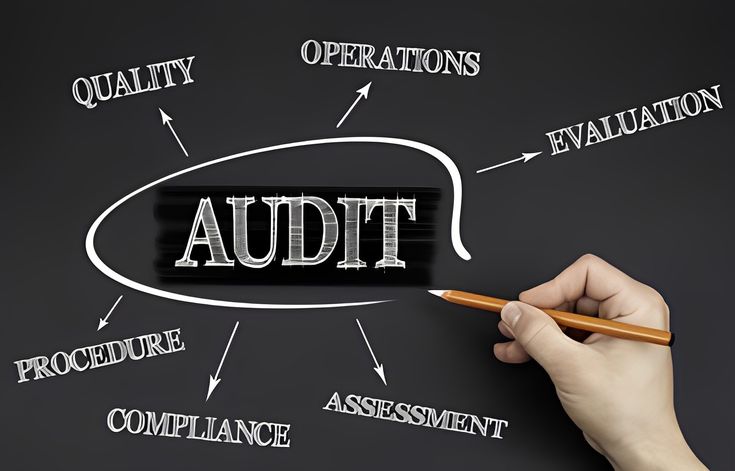
Audit services are an essential part of financial management and corporate governance for businesses of all sizes. In today’s competitive and highly regulated business environment, companies must maintain transparency, accuracy, and compliance in their financial records. Audit services help organizations evaluate financial statements, internal controls, operational efficiency, and legal compliance to ensure smooth business operations and long-term growth.

Whether it is a startup, private company, multinational corporation, or non-profit organization, professional audit services play a significant role in building trust among investors, stakeholders, financial institutions, and government authorities.

This article explains the meaning of audit services, different types of audits, their importance, legal requirements, and how businesses benefit from professional auditing solutions.

What Are Audit Services?

Audit services refer to the systematic examination and verification of a company’s financial records, transactions, operations, and compliance processes by qualified auditors. The main objective of an audit is to ensure that financial statements present a true and fair view of the organization’s financial position.

Audits are conducted by:

  • Chartered Accountants
  • Internal auditors
  • External audit firms
  • Government authorities
  • Specialized audit consultants

Audit services help identify:

  • Financial inaccuracies
  • Fraud and mismanagement
  • Compliance issues
  • Operational inefficiencies
  • Risk areas within the organization

Importance of Audit Services

Audit services are important for maintaining financial discipline and accountability in an organization. Proper auditing helps businesses make informed decisions while ensuring legal and regulatory compliance.

Enhances Financial Accuracy

Audits verify the accuracy of accounting records and financial statements. This reduces errors and improves the reliability of financial information.

Builds Investor Confidence

Investors and stakeholders rely on audited financial statements to assess the financial health and stability of a company.

Detects Fraud and Irregularities

Audits help identify suspicious transactions, financial fraud, unauthorized expenses, and accounting manipulation.

Improves Internal Controls

Audit services evaluate existing systems and internal controls to reduce operational risks and financial leakages.

Ensures Legal Compliance

Businesses must comply with taxation laws, company regulations, accounting standards, and statutory requirements. Audits help ensure compliance with applicable laws.

Types of Audit Services

Different businesses require different types of audit services depending on their operations and legal obligations.

1. Statutory Audit

A statutory audit is a legally mandatory audit conducted under the provisions of the Companies Act and other regulatory laws.

The objective is to:

  • Verify financial statements
  • Ensure compliance with accounting standards
  • Confirm transparency in financial reporting

Statutory audits are generally conducted annually by independent Chartered Accountants.

2. Internal Audit

Internal audit focuses on evaluating a company’s:

  • Internal controls
  • Risk management
  • Operational efficiency
  • Compliance systems

Internal audits help management improve processes and prevent future financial issues.

3. Tax Audit

Tax audits are conducted to ensure compliance with income tax laws and GST regulations.

Tax audit services include:

  • Verification of financial transactions
  • Examination of tax records
  • Compliance with taxation provisions
  • Reporting under applicable tax laws

Tax audits help avoid penalties and legal disputes with tax authorities.

4. GST Audit

GST audits evaluate whether businesses comply with Goods and Services Tax regulations.

GST audit services include:

  • Verification of GST returns
  • Input tax credit reconciliation
  • Invoice matching
  • GST compliance review

Proper GST audits reduce the risk of notices and litigation.

5. Management Audit

Management audits examine the effectiveness of managerial practices and business policies.

This audit helps businesses:

  • Improve productivity
  • Enhance operational efficiency
  • Strengthen decision-making systems

6. Forensic Audit

Forensic audits investigate financial fraud, embezzlement, corruption, or financial misconduct.

These audits are commonly used in:

  • Corporate fraud investigations
  • Legal disputes
  • Insurance claims
  • Financial crime cases

Forensic audit reports may also be used as evidence in court proceedings.

7. Compliance Audit

Compliance audits assess whether an organization follows:

  • Regulatory requirements
  • Corporate policies
  • Industry standards
  • Government guidelines

Such audits are especially important for regulated sectors like banking, healthcare, and finance.

Audit Process in Businesses

The audit process generally involves several stages.

Step 1: Planning and Understanding Business Operations

Auditors study the organization’s:

  • Nature of business
  • Financial structure
  • Risk areas
  • Accounting systems

Proper planning helps identify important audit objectives.

Step 2: Examination of Financial Records

Auditors review:

  • Books of accounts
  • Bank statements
  • Invoices
  • Tax records
  • Payroll documents
  • Financial transactions

The purpose is to verify accuracy and authenticity.

Step 3: Evaluation of Internal Controls

Auditors assess whether adequate systems exist to:

  • Prevent fraud
  • Maintain financial discipline
  • Ensure proper approvals and documentation

Strong internal controls improve business efficiency.

Step 4: Risk Assessment

Potential financial and operational risks are identified and analyzed.

Risk assessment helps organizations take preventive measures against losses and non-compliance.

Step 5: Audit Reporting

After completing the audit, auditors issue an audit report containing:

  • Findings
  • Observations
  • Financial opinions
  • Recommendations for improvement

The audit report becomes an important document for management and regulatory authorities.

Benefits of Professional Audit Services

Professional audit services provide several advantages to businesses.

Better Financial Transparency

Audited statements improve trust among investors, lenders, and business partners.

Improved Decision-Making

Accurate financial information helps management make informed strategic decisions.

Reduced Legal Risks

Regular audits help businesses comply with laws and avoid penalties or litigation.

Enhanced Operational Efficiency

Audits identify inefficiencies and recommend process improvements.

Easier Loan and Investment Approvals

Banks and investors prefer businesses with audited financial records.

Role of Chartered Accountants in Audit Services

Chartered Accountants play a vital role in conducting audits and advising businesses on:

  • Accounting standards
  • Tax compliance
  • Corporate governance
  • Financial reporting
  • Risk management

Their professional expertise ensures reliable and legally compliant audit processes.

Challenges in Auditing

Modern businesses may face several auditing challenges, including:

  • Complex financial transactions
  • Digital accounting systems
  • Cybersecurity risks
  • Frequent regulatory changes
  • Cross-border financial operations

Experienced auditors use advanced tools and professional methodologies to handle these complexities effectively.

Importance of Audit Services for Startups and SMEs

Many startups and small businesses assume audits are only necessary for large corporations. However, audit services are equally important for small and medium enterprises.

Audits help startups:

  • Build investor confidence
  • Maintain financial discipline
  • Improve business planning
  • Ensure tax compliance
  • Detect operational weaknesses early

Early financial transparency supports long-term business growth.

Conclusion

Audit services are a critical component of financial management, compliance, and corporate governance. Proper auditing helps businesses maintain transparency, improve operational efficiency, detect fraud, and comply with legal requirements.

From statutory audits and tax audits to forensic investigations and internal audits, professional audit services provide valuable insights that strengthen business operations and financial stability. In an evolving business landscape, organizations must prioritize regular audits to minimize risks and enhance credibility in the market.

Partnering with experienced audit professionals ensures accurate financial reporting, legal compliance, and sustainable business growth.


Audit Services: Importance, Types, Process & Benefits for Businesses
Audit services play a vital role in maintaining financial transparency, regulatory compliance, and operational efficiency for businesses and organizations. In today’s competitive and highly regulated business environment, audits help companies identify financial risks, improve internal controls, strengthen governance, and build trust among investors, stakeholders, and regulatory authorities.

Whether it is a startup, private company, multinational corporation, NGO, or partnership firm, professional audit services ensure that financial records and business operations comply with applicable laws, accounting standards, and industry regulations.

Businesses that invest in proper auditing systems are better equipped to manage risks, detect irregularities, improve decision-making, and maintain long-term financial stability.

What are Audit Services?

Audit services involve the independent examination and verification of financial records, operational systems, internal controls, and compliance processes of an organization.

The primary objective of an audit is to ensure that financial statements present a true and fair view of the company’s financial position and that business activities are conducted according to legal and regulatory requirements.

Audit services may be conducted internally by an organization’s audit department or externally by independent auditors and chartered accountants.

Importance of Audit Services

Audits are essential for businesses of all sizes because they help ensure accountability, accuracy, and transparency.

Key Benefits of Audit Services

  • Enhances financial credibility
  • Detects fraud and financial irregularities
  • Ensures legal compliance
  • Improves operational efficiency
  • Strengthens internal controls
  • Builds investor confidence
  • Helps in tax planning and reporting
  • Reduces business risks
  • Supports informed decision-making

An effective audit system helps organizations maintain trust with shareholders, banks, customers, government authorities, and investors.

Types of Audit Services

Different businesses require different types of audits depending on their industry, size, and legal obligations.

Statutory Audit

A statutory audit is legally required under various laws, including the Companies Act, 2013.

The purpose of a statutory audit is to verify:

  • Financial statements
  • Accounting records
  • Compliance with accounting standards
  • Legal and regulatory obligations

Statutory audits are generally conducted annually by qualified chartered accountants.

Internal Audit

Internal audit focuses on evaluating the efficiency of internal controls, operational systems, and risk management practices within an organization.

Internal auditors help businesses:

  • Identify process weaknesses
  • Improve operational efficiency
  • Prevent fraud
  • Ensure policy compliance
  • Strengthen governance

Internal audits are especially important for large organizations and corporations.

Tax Audit

Tax audit examines whether a business complies with income tax laws and regulations.

Tax audits help ensure:

  • Accurate tax reporting
  • Proper maintenance of financial records
  • Compliance with tax provisions
  • Reduction of tax-related risks

Businesses exceeding prescribed turnover limits under the Income Tax Act are generally required to conduct tax audits.

GST Audit

GST audits verify whether businesses comply with Goods and Services Tax regulations.

GST audits examine:

  • GST returns
  • Input tax credits
  • Tax payments
  • Invoices
  • Compliance documentation

Proper GST auditing helps businesses avoid penalties and disputes with tax authorities.

Forensic Audit

Forensic audits are conducted to investigate fraud, embezzlement, corruption, financial misconduct, or suspicious transactions.

Forensic auditors analyze:

  • Financial transactions
  • Digital records
  • Accounting irregularities
  • Fraud patterns

These audits are often used in:

  • Corporate fraud cases
  • Financial disputes
  • Litigation matters
  • White-collar crime investigations

Compliance Audit

Compliance audits assess whether an organization follows applicable laws, regulations, internal policies, and industry standards.

Compliance audits are common in industries such as:

  • Banking
  • Healthcare
  • Insurance
  • Information technology
  • Manufacturing

They help organizations reduce regulatory risks and improve legal compliance.

Operational Audit

Operational audits evaluate the efficiency and effectiveness of business operations.

These audits focus on:

  • Resource utilization
  • Workflow management
  • Productivity improvement
  • Cost reduction
  • Operational performance

Operational audits help businesses optimize processes and improve profitability.

Information System Audit

As businesses increasingly rely on digital systems, information system audits have become highly important.

IT audits examine:

  • Data security
  • Cybersecurity measures
  • Software controls
  • Network infrastructure
  • Data protection compliance

These audits help organizations protect sensitive information and prevent cyber threats.

Audit Process

The audit process generally involves several important stages.

Planning and Risk Assessment

Auditors first understand the business structure, industry, financial systems, and potential risk areas.

This stage includes:

  • Reviewing documents
  • Understanding internal controls
  • Identifying compliance requirements
  • Assessing financial risks

Examination and Verification

Auditors examine:

  • Financial records
  • Accounting entries
  • Invoices
  • Bank statements
  • Contracts
  • Tax filings

Verification ensures the accuracy and reliability of information.

Internal Control Evaluation

Auditors assess whether proper internal controls exist to prevent:

  • Fraud
  • Errors
  • Mismanagement
  • Unauthorized transactions

Strong internal controls improve organizational stability.

Reporting

After completing the examination, auditors prepare an audit report containing:

  • Findings
  • Observations
  • Compliance status
  • Risk areas
  • Recommendations

The audit report helps management take corrective actions where necessary.

Importance of Audit for Businesses

Audit services provide valuable insights into the financial and operational health of an organization.

Financial Transparency

Audits improve transparency and increase confidence among stakeholders and investors.

Fraud Detection

Audits help identify:

  • Fraudulent transactions
  • Misappropriation of funds
  • Accounting manipulation
  • Financial misconduct

Better Decision-Making

Accurate financial information helps management make informed business decisions.

Legal Compliance

Regular audits help businesses comply with:

  • Corporate laws
  • Tax laws
  • Industry regulations
  • Financial reporting standards

Improved Business Reputation

Companies with strong audit systems often enjoy better market credibility and investor trust.

Audit Services for Startups and SMEs

Small and medium-sized businesses also benefit significantly from audit services.

Audit support helps startups:

  • Maintain proper accounting systems
  • Attract investors
  • Ensure tax compliance
  • Improve financial discipline
  • Build business credibility

Professional audit guidance can help emerging businesses scale operations smoothly.

Role of Chartered Accountants in Audit Services

Chartered accountants play a critical role in conducting audits and providing financial advisory services.

Their responsibilities include:

  • Financial verification
  • Risk assessment
  • Compliance review
  • Tax planning
  • Fraud detection
  • Reporting and recommendations

Qualified professionals ensure that audits are conducted independently and according to professional standards.

Challenges in Modern Auditing

Modern businesses face evolving challenges that impact auditing processes.

Common Audit Challenges

  • Complex financial transactions
  • Cybersecurity risks
  • Regulatory changes
  • Cross-border operations
  • Digital accounting systems
  • Data privacy concerns

Auditors increasingly use technology and analytics tools to improve audit efficiency and accuracy.

Future of Audit Services

The auditing industry continues to evolve with advancements in:

  • Artificial intelligence
  • Data analytics
  • Automation
  • Blockchain technology
  • Digital compliance systems

Technology-driven audits are improving speed, accuracy, and risk assessment capabilities.

Businesses are also focusing more on:

  • ESG audits
  • Sustainability reporting
  • Cybersecurity audits
  • Data protection compliance

Conclusion

Audit services are essential for maintaining financial integrity, regulatory compliance, and operational efficiency in modern businesses. From statutory audits and tax audits to forensic investigations and internal control reviews, auditing helps organizations identify risks, improve governance, and build stakeholder confidence.

Professional audit services not only ensure compliance with laws and regulations but also provide valuable insights that support long-term business growth and sustainability. In today’s complex business environment, regular audits have become a critical component of effective corporate management and financial accountability.

Whether you are a startup, SME, corporation, NGO, or financial institution, investing in quality audit services can significantly strengthen your business operations, transparency, and financial health.