





Income Tax Returns 2026 in India: Rules, Deadlines & Compliance Roadmap

#IncomeTax, #TaxCompliance, #TaxReturns2026, #IncomeTaxIndia, #FinancialPlanning, #TaxFiling, #BusinessFinance, #TaxSavings, #WealthManagement, #PersonalFinance, #CorporateTax, #Accounting, #Finance2026, #TaxTips, #TaxStrategy, #EEAT, #ProfessionalTaxAdvice, #TaxOptimization, #LegalCompliance, #SmartInvesting

Income Tax Compliances & Returns 2026:

Filing income tax returns and staying compliant with taxation laws is a crucial part of financial planning for both individuals and businesses. In 2026, understanding the latest tax regulations, compliance requirements, and filing procedures is more important than ever. Accurate compliance ensures legal safety, maximizes tax benefits, and strengthens financial credibility.

This guide will provide you with a complete roadmap for income tax compliance and return filing in India, including expert tips, practical steps, and strategies for individuals and businesses alike.

Understanding Income Tax Compliance

Income tax compliance refers to the adherence to all rules, regulations, and procedures set by the Income Tax Department of India. Non-compliance can lead to penalties, interest, and even legal consequences. Compliance involves:

  1. Timely Filing of Returns: Submitting income tax returns within the prescribed deadlines.
  2. Proper Record-Keeping: Maintaining all necessary financial documents such as invoices, receipts, and bank statements.
  3. Payment of Taxes: Calculating and paying taxes accurately based on the applicable slab and exemptions.
  4. Reporting Income Accurately: Disclosing all sources of income including salary, business income, capital gains, and investments.

For businesses, compliance also includes maintaining books of accounts, audit reports, and adhering to Goods & Services Tax (GST) and other indirect tax obligations.

Types of Income Tax Returns

Choosing the right type of tax return form is critical. The main forms for 2026 include:

  • ITR-1 (Sahaj): For individuals with income from salary, pension, or one house property.
  • ITR-2: For individuals with income from multiple sources, capital gains, or foreign assets.
  • ITR-3: For individuals and HUFs having income from business or profession.
  • ITR-4 (Sugam): For individuals and businesses opting for presumptive taxation.
  • ITR-5, ITR-6, ITR-7: For firms, companies, and entities requiring audited accounts.

Choosing the correct ITR form ensures smooth processing, reduced errors, and faster refunds.

Key Compliance Steps for Individuals

1. Collect Financial Documents

Keep all salary slips, bank statements, Form 16, Form 26AS, investment proofs, and other supporting documents ready before filing. Proper documentation ensures accuracy and reduces audit risks.

2. Understand Applicable Tax Slabs and Deductions

For FY 2025-26, individuals must choose between Old Tax Regime and New Tax Regime. Evaluate the benefits of tax deductions (like 80C, 80D) versus lower slab rates under the new regime.

3. File Returns Timely

  • Individuals: Deadline is generally July 31, 2026 for salaried individuals.
  • Businesses & Professionals: Deadline is October 31, 2026, if audit is required.

Late filing can result in penalties up to ₹10,000, depending on income.

4. Verify Your ITR

After filing, verify the return electronically using Aadhaar OTP, Net Banking, or EVC. Verification is mandatory for processing and claiming refunds.

5. Claim Refunds and Rectifications

If excess tax has been paid, claim refunds through the Income Tax Portal. Rectify any mistakes by filing a revised return within the allowed timeline.

Compliance Steps for Businesses

1. Maintain Accurate Books of Accounts

Businesses must maintain ledgers, journals, invoices, and financial statements. These records help in calculating taxable income, filing returns, and preparing for audits.

2. Audit and Certification

Businesses meeting certain turnover thresholds must get statutory audits conducted by a Chartered Accountant. Audit reports are submitted along with ITR-6 or ITR-7 forms.

3. Advance Tax Payments

Businesses must calculate and pay advance tax quarterly to avoid interest penalties under Section 234B and 234C.

4. GST and Other Tax Compliances

For registered businesses, compliance also includes filing GST returns, TDS returns, and other indirect taxes. Integration of accounting software simplifies multi-tax compliance.

5. Timely Filing of Corporate Tax Returns

Corporate tax returns must be filed by the due dates prescribed by the Income Tax Department. Failure to comply may attract penalties and scrutiny.

Common Mistakes to Avoid

  1. Incorrect ITR form selection.
  2. Missing deadlines for filing and verification.
  3. Not reconciling Form 26AS with actual tax paid.
  4. Ignoring deductions and exemptions available under law.
  5. Incomplete documentation of business expenses.

Avoiding these mistakes ensures smooth processing of returns, reduced legal risk, and faster refunds.

Tools and Resources for Accurate Tax Compliance
  • Income Tax Portal: Official portal for filing and tracking returns.
  • Accounting Software: Tally, Zoho Books, QuickBooks for automated bookkeeping and reporting.
  • Professional Advisors: Chartered Accountants and Tax Consultants for expert guidance.
  • Government Updates: Notifications and circulars from CBDT for latest rules and deadlines.

Leveraging these tools ensures compliance, efficiency, and accuracy in tax filings.

Conclusion

Income tax compliance and return filing are critical for financial discipline and legal safety. Whether you are an individual or a business, understanding the process, maintaining proper records, and seeking expert guidance can save time, reduce penalties, and optimize taxes.

By following this expert guide for 2026, taxpayers can ensure accuracy, transparency, and compliance, while also maximizing deductions and benefits under Indian tax laws.



New Tax Regime vs Old Tax Regime in 2026: A Complete Guide to Choosing the Right Option

Every financial year, taxpayers must make an important decision while filing their Income Tax Return — whether to continue with the Old Tax Regime or shift to the New Tax Regime. Over the last few years, the government has revised tax slabs, rebate limits, and compliance structures, making this choice more significant in 2026 than ever before.

Selecting the wrong option may increase your tax burden unnecessarily. Therefore, understanding both regimes in detail is essential before making a decision.

What Is the Old Tax Regime?

The Old Tax Regime follows the traditional tax structure where individuals are allowed to reduce their taxable income by claiming various deductions and exemptions.

Some commonly claimed benefits include:

  • Section 80C deductions for investments such as PPF, ELSS, LIC, and EPF

  • Section 80D deduction for health insurance premiums

  • Deduction on home loan interest under Section 24

  • House Rent Allowance (HRA)

  • Leave Travel Allowance (LTA)

Although tax rates under this regime are comparatively higher, the availability of deductions helps taxpayers reduce their total tax liability significantly.

Who Should Consider the Old Regime?

The old regime may be beneficial for:

  • Individuals paying home loan EMIs

  • Salaried employees receiving HRA benefits

  • Taxpayers investing consistently under 80C

  • Families paying significant medical insurance premiums

If you actively use tax-saving instruments and exemptions, the old regime can often result in lower overall tax.

What Is the New Tax Regime?

The New Tax Regime was introduced to simplify the taxation process. It offers lower tax rates across income slabs but removes most deductions and exemptions available under the old regime.

Key characteristics of the new regime include:

  • Reduced tax slab rates

  • Simplified filing process

  • Limited exemptions and deductions

  • Standard deduction availability

  • No mandatory investment requirement for tax saving

The new regime is designed for taxpayers who prefer a straightforward system without complex calculations or documentation.

Who Should Consider the New Regime?

The new regime may be suitable for:

  • Individuals with minimal deductions

  • Young professionals without housing loans

  • Freelancers and consultants

  • Taxpayers who prefer flexibility over structured tax-saving investments

For those who do not claim many exemptions, the lower tax rates may provide better benefits.

Key Difference Between the Two Regimes

The core distinction between the two systems lies in the trade-off between deductions and slab rates.

The old regime encourages savings and investments by offering tax relief on eligible instruments. The new regime, on the other hand, reduces tax rates but removes most exemptions.

Your choice should depend on which structure results in lower tax after calculation.

What Has Changed in Recent Years?

The government has gradually made adjustments to make the new regime more attractive. Important updates include:

  • Increased rebate limits

  • Revised income slabs

  • Standard deduction inclusion

  • Simplified compliance norms

  • Making the new regime the default option

These changes mean taxpayers must actively compare both regimes rather than automatically selecting one.

How to Decide Which Regime Is Better for You

There is no universal answer. The right choice depends on your personal financial situation.

1. Evaluate Your Deductions

List all the deductions and exemptions you are eligible for. If the total deduction amount is substantial, the old regime may still be advantageous.

2. Calculate Tax Under Both Regimes

Perform a side-by-side tax comparison. Many taxpayers are surprised to see how the final numbers differ.

3. Consider Long-Term Financial Planning

The old regime promotes disciplined investment habits. The new regime gives you freedom to invest wherever you prefer.

4. Review Income Type

Salaried individuals and business owners may have different flexibility in switching regimes. Understanding the applicable rules is important.

Common Errors Taxpayers Make

Many individuals make decisions without proper comparison. Some common mistakes include:

  • Accepting the default tax regime without analysis

  • Ignoring eligible deductions

  • Failing to declare investments to employers

  • Not consulting a tax professional

  • Making last-minute decisions during filing

Such errors can increase tax liability or create compliance complications.

Can You Switch Between Tax Regimes?

Salaried individuals generally have the option to select between regimes each financial year. However, individuals with business income may face certain restrictions on frequent switching.

Before making a final decision, it is advisable to understand the specific rules applicable to your income category.

Why Professional Tax Guidance Matters

Tax planning is not about avoiding tax; it is about lawful optimization. A structured approach helps:

  • Reduce unnecessary tax outflow

  • Improve investment planning

  • Ensure regulatory compliance

  • Avoid future notices or penalties

A professional evaluation can provide clarity and accuracy in choosing the appropriate regime.

Final Thoughts

The discussion around New Tax Regime vs Old Tax Regime in 2026 remains highly relevant for taxpayers across India. While the new regime offers simplicity and lower slab rates, the old regime continues to reward strategic financial planning.

Before filing your Income Tax Return, a detailed comparison of both options is essential. The correct decision can help you save money, improve financial efficiency, and remain compliant with tax laws.

Careful planning today ensures financial stability tomorrow.

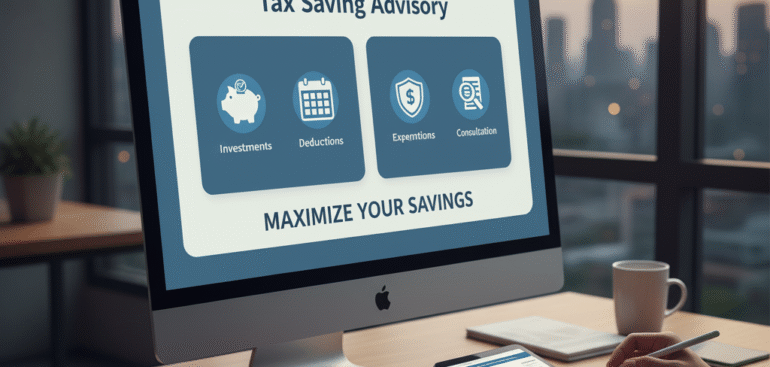
Smart Savings: The Strategic Role of Tax Advisory in Financial Planning

Smart Savings: The Strategic Role of Tax Advisory in Financial Planning

In today’s complex financial landscape, effective tax planning has become an essential part of every individual’s and business’s financial strategy. While earning and investing are key aspects of financial growth, smart tax planning ensures that your hard-earned income is utilized efficiently. This is where tax advisory services play a strategic role — helping individuals and organizations minimize tax liabilities while remaining compliant with the law.


1. Understanding the Concept of Tax Advisory

Tax advisory involves professional guidance aimed at optimizing your financial decisions from a tax perspective. A tax advisor or consultant analyzes income, investments, and business transactions to design personalized strategies that reduce tax burdens legally.

Rather than focusing only on annual tax returns, tax advisory takes a long-term approach, aligning tax strategies with broader financial goals such as wealth creation, business expansion, and retirement planning.


2. The Strategic Importance of Tax Advisory

A skilled tax advisor acts as a strategic partner in financial planning by:

  • Identifying tax-saving opportunities through deductions, exemptions, and incentives.

  • Ensuring compliance with the latest tax laws and regulations.

  • Structuring investments to achieve both financial growth and tax efficiency.

  • Advising on business transactions like mergers, acquisitions, and capital restructuring to avoid unnecessary tax exposure.

By integrating tax planning into every financial decision, individuals and businesses can safeguard their wealth and optimize returns.


3. Tax Advisory for Individuals

For individuals, tax advisors help design customized plans that align with income sources, financial goals, and lifestyle. Key strategies include:

  • Maximizing deductions under Sections 80C, 80D, and 24(b) of the Income Tax Act.

  • Planning long-term investments in ELSS, PPF, NPS, and life insurance.

  • Balancing income from salary, capital gains, and rental sources efficiently.

  • Managing tax implications of inheritance, gifts, and foreign income.

With expert guidance, individuals can not only save taxes but also enhance their overall financial health.


4. Tax Advisory for Businesses

Businesses benefit immensely from tax advisory services that focus on operational and structural efficiency. Advisors assist in:

  • Choosing the right business structure (LLP, Pvt. Ltd., Partnership) for tax optimization.

  • Managing GST compliance and return filing.

  • Planning depreciation, employee benefits, and business expenses for maximum deductions.

  • Ensuring accurate transfer pricing and compliance with corporate tax norms.

This proactive approach helps businesses remain competitive, compliant, and financially resilient.


5. The Long-Term Benefits of Strategic Tax Planning

Tax advisory is not just about saving money in the short term — it’s about building sustainable financial growth. The benefits include:

  • Reduced tax outflow and higher retained earnings.

  • Improved investment decisions backed by tax efficiency.

  • Greater financial stability and future readiness.

  • Lower risk of penalties and audits due to accurate compliance.

When tax planning is integrated into the broader financial framework, it transforms from a once-a-year activity into a continuous strategy for wealth preservation.


6. Conclusion

In a rapidly changing financial ecosystem, tax advisory services have evolved from a compliance necessity to a strategic advantage. Whether you are an individual striving for financial independence or a business aiming for growth, smart tax planning can make a significant difference.

By seeking expert advice and adopting a proactive approach, you can not only meet your legal obligations but also unlock the full potential of your financial resources — ensuring that every rupee you earn works smarter for you.