




Trademark Registration vs Patent Filing: Which One Do You Need?

Trademark Registration vs Patent Filing: Which One Do You Need?

 Which One Do You Need?

When starting a business or launching a new product, one of the most important decisions you’ll face is how to protect your intellectual property. Many entrepreneurs get confused between trademark registration and patent filing. While both serve as legal protections, they apply to very different aspects of your business. Understanding the difference is essential to safeguarding your brand, innovation, and long-term success.

In this comprehensive guide, we’ll break down what trademarks and patents are, how they differ, and which one you actually need.

What is a Trademark?

A trademark is a unique sign, symbol, word, logo, or combination of these that distinguishes your brand from others in the marketplace. It helps customers identify your business and builds trust over time.

For example, your business name, logo, tagline, or even packaging style can be registered as a trademark. Once registered, it gives you exclusive rights to use that mark in connection with your goods or services.

Key Features of a Trademark:

  • Protects brand identity
  • Can include words, logos, slogans, and designs
  • Valid for 10 years (renewable indefinitely)
  • Helps prevent others from using similar marks

A trademark is essential if you want to build a recognizable brand and avoid legal disputes related to brand identity.

What is a Patent?

A patent is a legal right granted for an invention. It protects new, unique, and useful inventions or processes from being copied, used, or sold without permission.

Patents are typically granted for technological innovations, products, or processes that offer a new solution to a problem.

Key Features of a Patent:

  • Protects inventions and innovations
  • Must be new, non-obvious, and useful
  • Valid for 20 years (in most cases)
  • Prevents others from making, using, or selling your invention

If you’ve created a new product, machine, or process, filing a patent is crucial to protect your innovation.

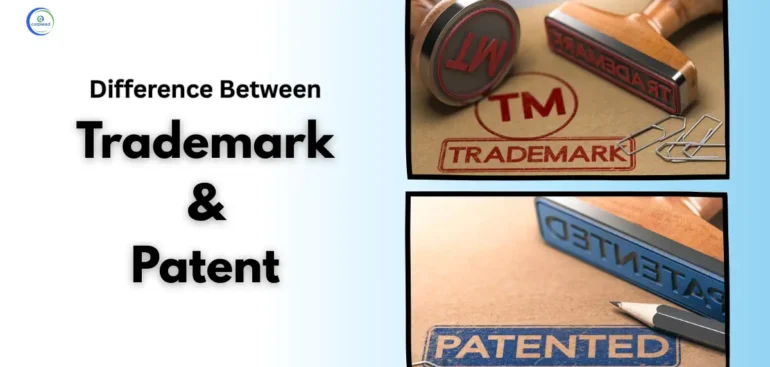
Trademark vs Patent: Key Differences

Understanding the differences will help you decide which one fits your needs.

Feature Trademark Patent
Purpose Protects brand identity Protects inventions
Coverage Names, logos, slogans Products, processes, technology
Validity 10 years (renewable) 20 years (non-renewable)
Complexity Relatively simple More complex and technical
Cost Lower Higher
Approval Time Faster Takes longer

In simple terms, trademarks protect how your business is recognized, while patents protect what your business creates.

When Do You Need a Trademark?

You should consider trademark registration if:

  • You have a unique brand name or logo
  • You want to prevent competitors from copying your identity
  • You are building a long-term brand
  • You plan to expand your business nationally or globally

Without a trademark, someone else could legally register a similar name and cause confusion in the market.

When Do You Need a Patent?

You should consider patent filing if:

  • You’ve invented a new product or technology
  • Your invention solves a unique problem
  • You want exclusive rights to monetize your innovation
  • You are planning to license or sell your invention

Without a patent, others can copy your invention and profit from your hard work.

Can You Need Both?

Yes, in many cases, businesses need both trademark and patent protection.

For example:

  • A tech company may patent its innovative product
  • At the same time, it trademarks its brand name and logo

This dual protection ensures that both the invention and the brand are secure.

Cost and Time Considerations

Trademark registration is generally faster and more affordable. It may take several months for approval, depending on objections or oppositions.

Patent filing, on the other hand, is more time-consuming and expensive. It involves detailed documentation, examination, and sometimes even legal assistance. The process can take a few years to complete.

Because of this, it’s important to evaluate your business priorities before deciding.

Common Mistakes to Avoid

Many business owners make avoidable mistakes when choosing between trademarks and patents:

  1. Confusing brand protection with product protection
  2. Delaying registration, leading to legal conflicts
  3. Not conducting proper searches before filing
  4. Trying to file a patent without professional help
  5. Ignoring intellectual property altogether

Avoiding these mistakes can save you time, money, and legal trouble.

Which One Do You Need?

The answer depends on what you want to protect.

  • Choose a trademark if your focus is on brand identity
  • Choose a patent if your focus is on innovation
  • Choose both if you want complete protection

Think of it this way:
A trademark protects your name, while a patent protects your idea.

Final Thoughts

In today’s competitive market, protecting your intellectual property is not optional—it’s essential. Whether you are a startup, entrepreneur, or established business, understanding the difference between trademark registration and patent filing will help you make informed decisions.

If your goal is to build a recognizable brand, go for a trademark. If you want to protect a groundbreaking invention, file a patent. And if you’re serious about long-term growth, consider securing both.

Taking the right step today can protect your business from costly disputes tomorrow.
 

Trademark & Patent Registration in India: Complete Guide for Businesses and Innovators

Trademark & Patent Registration in India: Complete Guide for Businesses and Innovators

In today’s competitive business world, protecting your brand name and innovations is essential. Many startups and companies invest time and money into creating logos, brand names, products, and technologies—but fail to secure legal protection. Trademark and Patent Registration help businesses protect their identity and inventions under Indian law.

If you want to grow your brand safely and avoid legal disputes, understanding trademark and patent registration is extremely important.

What is a Trademark?

A trademark is a unique sign that identifies your business or product. It can be:

• Brand name
• Logo
• Tagline
• Symbol
• Product name
• Sound mark

Trademark registration gives you exclusive legal rights to use that mark for your goods or services.

For example, your law firm name, logo, or slogan should be trademarked to prevent copying.

What is a Patent?

A patent protects a new invention or technology. It gives the inventor exclusive rights to make, use, or sell the invention for a certain period (usually 20 years in India).

Patents apply to:

• Machines
• Software processes
• Chemical formulas
• Medical devices
• Manufacturing methods

If your idea is unique and innovative, patent protection is crucial.

Why Trademark & Patent Registration is Important

From practical experience, many businesses lose their brand identity because they never registered their trademark. Others see their invention copied because they didn’t apply for a patent.

Benefits include:

✔ Legal protection against copying
✔ Exclusive brand ownership
✔ Business credibility
✔ Higher company value
✔ Easy franchise and licensing
✔ Investor confidence

Intellectual property is one of the most valuable business assets today.

Trademark Registration Process in India

Trademark registration in India is handled by the Controller General of Patents, Designs & Trademarks.

Step-by-Step Process
  1. Trademark search
  2. Choose correct class (45 classes available)
  3. File trademark application
  4. Examination by department
  5. Publication in journal
  6. Opposition period
  7. Registration certificate

The process usually takes 6–18 months.

After registration, the trademark is valid for 10 years and can be renewed.

Patent Registration Process in India

Patent registration is more complex than trademark.

Steps for Patent Filing
  1. Check patent eligibility
  2. Patent search
  3. Draft patent specification
  4. File patent application
  5. Publication
  6. Examination request
  7. Reply to objections
  8. Patent grant

Patent approval may take 2–4 years depending on complexity.

Professional drafting is important because mistakes can lead to rejection.

Trademark vs Patent: Key Differences
Trademark Patent
Protects brand name/logo Protects invention
Valid for 10 years (renewable) Valid for 20 years
Easier process Complex process
Used for business identity Used for technology innovation

Both are part of Intellectual Property Rights (IPR).

Who Should Register Trademark or Patent?

You should consider registration if you are:

• Startup founder
• Business owner
• Manufacturer
• App developer
• Designer
• Researcher or inventor
• E-commerce seller

Even small businesses benefit from trademark protection.

Common Trademark Mistakes

Based on real cases, common errors include:

Using a similar brand name
Not doing trademark search
Wrong class selection
Not renewing trademark
Using ™ without application

These mistakes can cause rejection or legal disputes.

Patent Registration Mistakes

Common patent errors include:

Filing incomplete specification
Sharing idea publicly before filing
Missing deadlines
Copying existing patents
Poor documentation

Professional patent drafting avoids rejection.

Legal Benefits of Trademark & Patent Registration

Registered trademarks and patents provide legal advantages:

✔ Right to sue infringers
✔ Stop counterfeit products
✔ Brand licensing income
✔ Protection in courts
✔ International expansion

IP registration increases business trust and value.

Trademark & Patent for Startups

Investors prefer startups with protected intellectual property.

Benefits for startups:

• Higher funding chances
• Strong brand identity
• Market advantage
• Easy expansion
• Franchise opportunities

IP protection is a key startup strategy.

Cost of Trademark & Patent Registration in India

Costs vary depending on professional fees and complexity.

• Trademark: ₹4,500–₹9,000 government fee approx
• Patent: ₹8,000+ government fee plus drafting charges

Professional services may cost extra but reduce rejection risk.

When Should You Hire an IP Lawyer?

You should consult a professional if:

✔ Launching new brand
✔ Creating logo or app
✔ Inventing new product
✔ Facing trademark objection
✔ Trademark opposition filed
✔ Patent rejected
✔ Planning international trademark

Professional help saves time and protects rights.

Conclusion

Trademark & Patent Registration are essential steps for protecting your business identity and innovations. In today’s digital world, copying is easy—but legal protection ensures your hard work stays yours.

Whether you are a startup, entrepreneur, or inventor, registering your trademark or patent is a smart investment in your future.

Consulting an experienced IP professional helps you avoid mistakes and secure strong legal protection.


Trademark & Patent Registration Comprehensive Guide for Businesses

Comprehensive Guide for Businesses

In today’s fast-paced business world, safeguarding your intellectual property is essential. Trademark & Patent Registration offers legal protection for your brand, inventions, and creative work, ensuring that your ideas remain exclusively yours. This guide explores the benefits, procedures, and important considerations involved in registering trademarks and patents.

Understanding Trademark & Patent Registration

Trademark & Patent Registration is the process of legally securing your brand identity and innovative inventions. Trademarks protect your business name, logo, or slogan, while patents cover new inventions or technological improvements. With proper registration, you gain exclusive rights, preventing unauthorized use by others.

Trademarks enhance brand recognition, and patents protect your creative inventions from imitation. Together, they strengthen your business credibility and market position.

Why Trademark & Patent Registration Matters

  1. Legal Safeguards
    Registration ensures you have exclusive ownership rights, allowing you to enforce them in case of infringement.

  2. Brand Value
    A registered trademark signals trust and professionalism, helping attract clients and business partners.

  3. Monetary Advantage
    Patents can be licensed or sold, creating potential revenue streams. Trademarks add intangible value to your brand, increasing its overall worth.

  4. Business Growth
    Legal protection allows you to expand into new markets confidently, knowing your intellectual property is secure.

Steps to Complete Trademark & Patent Registration

Step 1: Conduct a Detailed Search

Before applying, verify that your brand or invention is unique. A thorough search prevents conflicts with existing trademarks or patents.

Step 2: File the Application

Once uniqueness is confirmed, submit your application to the relevant government authority. Trademark applications require specifying the category of goods or services, while patent filings include a detailed description, claims, and diagrams.

Step 3: Examination Process

Applications are reviewed to ensure compliance with laws. Patent applications are evaluated for novelty, creativity, and practical applicability.

Step 4: Publication and Opposition

Approved applications are published for public review. Third parties may raise objections, which must be resolved before final registration.

Step 5: Registration Certificate

After clearing objections, a certificate of registration is issued, officially granting ownership rights.

Challenges in Trademark & Patent Registration
  • Similarity Issues: Registration may be refused if your brand or invention closely resembles an existing one.

  • Incomplete Applications: Missing or incorrect information can delay processing.

  • Oppositions from Competitors: Third-party objections can prolong registration.

  • Legal Complexity: Navigating the rules and procedures can be challenging without expert guidance.

Tips for Smooth Registration
  • Work with a professional consultant to ensure accuracy.

  • Conduct thorough prior searches to prevent conflicts.

  • Maintain proper documentation of your brand or invention.

  • Respond promptly to notices from the registration authority.

Conclusion

Trademark & Patent Registration is a crucial investment for any business or innovator. It provides legal protection, strengthens credibility, and ensures your creations are safeguarded. By following the correct procedures and taking necessary precautions, you can protect your intellectual property and confidently grow your business.

Registering your trademarks and patents today secures your brand and innovations for the future, creating lasting value for your enterprise.